Kelly's Consultants

Kelly's Consultants       Mobile (+61) 0401 507 730
fax (+61) 02 9635 8361

ABN  72 643 133 771


News

Venue Techs: Are they easy targets?

How often have you done a show were you have had to wear many hats? It is not easy doing multiple tasks as a technician. But it seems like the client cannot afford to pay the extra for more techs but they expect to have everything. Where does the fault lie. This is a difficult area. The venue could be at fault for not advising the production company that they really should have more technicians on, based on the info that the client supplies. But there are a lot of times that the client does not supply all the information. As they are not to sure what they want. But on the day that they arrive they want it all. This can lead to frustration from all sides. A basic simple solution is to have a production type meeting as soon as the client arrives. Sit the client down with their tech people, some coffee and go over their tech requirements in detail. By this time the client should know exactly what they want and should be able to articulate it to you the technician. You are the one that is going to make the magic happen. you need to be able to tell the client if what they want to happen is able to happen and what it might require in the way of equipment and costs. In theory this meeting should have taken place a few weeks before the event. But as we all know that it is not always going to happen in the real world. Both sides of this equation need to be flexible. Sometimes it would be worthwhile explaining to the client to try and keep it simple. If the event is to complicated and not enough resources are thrown at it, there is the possibility that it is going to look worse than the client expected. And even the audience are going to notice that as well. If you are having a repeat costumer it might me worthwhile looking at what they did previously and then trying to anticipate what they are going to need this time around based on their latest paperwork. It is a good idea to keep the information that clients provide and other notes. This will give you a basis to start from. A lot of clients do things in similar ways and often expect similar resources.  Do not be afraid to tell the client that they need extra crew or resources, they will appreciate that you are trying to help make their production a good one. If they cannot afford extra crew see if they have some volunteers willing to help, on the understanding that sometime will have to be put aside to train them. If they cannot afford to hire/buy extra resources be willing to suggest other ways to do it, using your extensive experience or calling others for ideas. As a venue tech you are wanting to make the show great, the venue look great and the client happy so that they will want to return.

Rigging and Focusing Lights

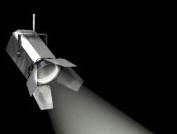
This is part of the bump in procedure. This is the moment when all of the work of the lighting designer comes together. If the lighting designer finds out if his pre-planning is going to work together with all of the other elements.

So what are these elements?

Well paperwork is one of them. This consists of the lighting plan, patching charts.

Another key ingredient is having the correct number of working lanterns. Make sure the correct colour is available, and preferably cut to the correct size.

Optical Focus

Reflector clean?

Lenses clean?

Lens properly positioned with retaining clips, rings etc?

Lamp not to black?

Lamp properly seated in its holder?

Electrical Check

Plug and cable correctly attached?

Cable in good condition?

Does it light?

Mechanical Check

Len tube or focus knob moving freely?

Shutters moving freely yet remain in position?

Tilt locking device free from slip

Hanging bolt completed with wing nut?

Safety chain for each light?

Accessories Check

Enough barndoors with leaves that stay where put?

Enough irises, masks, gobos?

All colours cut to size, labeled, and in their frames?

Enough clamps and boom arms?

Cables

You should make sure that there are plenty of extension cables available. Also they all should be in good working order

Fuses and Lamps

You should always have on hand spare lamps and fuses. You never know when you are going to blow one.

To give your lamps a better chance when you are focusing them, don’t have them up a full. If you are going to have to move a lantern that has been on for a while, let it cool before you move it.

Rigging Team

Always make sure there is enough people on hand to help with rigging. There is nothing more frustrating than having to do a lighting rig by yourself. Not only is it tiring work it is also very dangerous. If a lighting bump in required a lot of work on a ladder you will require at least three people on your team. Make sure that the rigging is neat and tidy, nothing worse than having to sort through a mess of cables to find a fault.

Focusing

Focusing is the most important part of the lighting process. Ideally you should have at least four people for the lighting focus session. This can be a time consuming procedure, so try an allow as much time as possible for this. It is a good idea to have the director present while the final focus is happening. The lighting designer should be at stage level, keeping an eye on the whole process and give directions. A person is needed to focus the lights, a person to operate the lighting desk and someone to hold the ladder.. If you have more than four people, get these people to help move ladders, walk around stage in the light.

There are at least two ways to focus the lights. The first method is to stand with your back to the light, then direct the person focusing to direct the centre of the light onto the back of your neck. It is not always an accurate method of focusing lights, but it does give you a starting point.

The other method is to keep the intensity of the light low and you face the lantern and see where the filament is in relation to the reflector. Once the light is centered, bring the intensity up and check the effect. Once the light is pointing in the right direction it is time to adjust all the other bits and pieces. Things like barndoors, shutters etc.

If you are focusing Fresnel's sometimes it is handy to spot the beam, then open up the beam to the required size, so that it covers the required area. Try to visualize what the lighting is going to do and try to correct any obvious faults. Focusing is a very important part of the lighting so try not to rush it. A small mistake can ruin the whole effect, you have to remember that visibility is one of the most important aspects of lighting. So take time and double check everything. A few inches difference really does matter. Throughout the operation the lighting team must work together having their separate but coordinated roles to play. As you focus each light you can put the colours in, or you can leave it until after the first focus session is over. Then check the focus again.

Once you have focused all of the lights it is time to see if it all works and blends nicely together.

You will of course have to touch up the focus as rehearsals progress, and things don’t work .

Testing and Tagging

Most venues have the policy that any electrical equipment that comes into the venue must have a current test tag. But how many clients actually know this and how many venues enforce this. And the clients that know this often assume that all that needs to be tested is any electrical equipment that is used for the performance on stage. They forget about hairdryers and fans that disappear into the dressing rooms.  And if you are doing a musical often the musical instruments are not tagged, unless it is a school. I think we need to make sure that clients know what needs to be tested and tagged.  A simple leaflet listing the items that they need to consider. From Amps to hairdryers to urns need to be included. Also maybe venues could offer this service as part of the education process. Your thoughts on this would be much appreciated.

Goto Page 2


Lighting Design, Hire, Sales, Production Management, Operators, Tag & Testing